What Is Cholesterol?

We may associate cholesterol with fatty foods, but most of the waxy substance is made by our own bodies. The liver produces 75% of the cholesterol that circulates in our blood. The other 25% comes from food. At normal levels, cholesterol actually plays an important role in helping cells do their jobs. But cholesterol levels are precariously high in more than 100 million Americans.

High cholesterol does not cause any symptoms. But it does cause damage deep within the body. Over time, too much cholesterol may lead to a buildup of plaque inside the arteries. Known as atherosclerosis, this condition narrows the space available for blood flow and can trigger heart disease. The good news is high cholesterol is simple to detect, and there are many ways to bring it down.

People older than 20 should have their cholesterol levels checked at least once every five years. This is done with a simple blood test known as a fasting lipoprotein profile. It measures the different forms of cholesterol that are circulating in your blood after you avoid eating for nine to 12 hours. The results show your levels of "bad" cholesterol, "good" cholesterol, and triglycerides.

Most of the cholesterol in the blood is carried by proteins called low density lipoproteins or LDL. This is known as the bad cholesterol because it combines with other substances to clog the arteries. A diet high in saturated fats and trans fats tends to raise the level of LDL cholesterol. For most people, an LDL score below 100 is healthy, but people with heart disease may need to aim even lower.

Up to a third of blood cholesterol is carried by high-density lipoproteins or HDL. This is called good cholesterol because it helps remove bad cholesterol, preventing it from building up inside the arteries. The higher the level of HDL cholesterol, the better. People with too little are more likely to develop heart disease. Eating healthy fats, such as olive oil, may help boost HDL cholesterol.

The body converts excess calories, sugar, and alcohol into triglycerides, a type of fat that is carried in the blood and stored in fat cells throughout the body. People who are overweight, inactive, smokers, or heavy drinkers tend to have high triglycerides, as do those who eat a very high-carb diet. A triglycerides score of 150 or higher puts you at risk for metabolic syndrome, which is linked to heart disease and diabetes.

Total cholesterol measures the combination of LDL, HDL, and VLDL (very low density lipoprotein) in your bloodstream. VLDL is a precursor of LDL, the bad cholesterol. A total cholesterol score of under 200 is considered healthy in most cases. People who score in the "high" range have an increased risk of developing heart disease compared to those who score below 200.

To calculate your cholesterol ratio, divide your total cholesterol by your HDL cholesterol. For example, a total score of 200 divided by an HDL score of 50 equals a cholesterol ratio of 4 to 1. Doctors recommend maintaining a ratio of 4 to 1 or lower. The smaller the ratio, the better. While this figure is useful in estimating heart disease risk, it's not as important in guiding treatment. Doctors look at total cholesterol, HDL cholesterol, and LDL cholesterol to determine treatment.

Cholesterol-rich foods, like eggs, shrimp, and lobster are no longer completely forbidden. Research shows that the cholesterol we eat has only a small effect on blood cholesterol levels for most people. A few people are "responders," whose blood levels spike up after eating eggs. But for most, saturated fat and trans fats are bigger concerns. Daily cholesterol limits are 300 mg for healthy people and 200 mg for those at higher risk. One egg has 186 mg of cholesterol.

Cholesterol comes from two sources -- the body and food -- and either one can contribute to high cholesterol. Some people inherit genes that trigger too much cholesterol production. For others, diet is the main culprit. Saturated fat and cholesterol occur in animal-based foods, including meat, eggs, and dairy products made with milk. In many cases, high cholesterol stems from a combination of diet and genetics.

Several factors can make you more likely to develop high cholesterol:
A diet high in saturated fats and cholesterol
A family history of high cholesterol
Being overweight or obese
Getting older

Until menopause, women typically have lower total cholesterol levels than men of the same age. They also have higher levels of HDL cholesterol, the good kind. One reason is estrogen: The female sex hormone raises the level of HDL cholesterol. Estrogen production peaks during the childbearing years and drops off during menopause. After age 55, a woman's risk of developing high cholesterol begins to climb.

There's evidence that cholesterol can begin clogging the arteries during childhood, leading to atherosclerosis and heart disease later in life. The American Heart Association recommends kids and teenagers with high cholesterol take steps to bring it down. Ideally, total cholesterol should be below 170 in people ages 2 to 19.
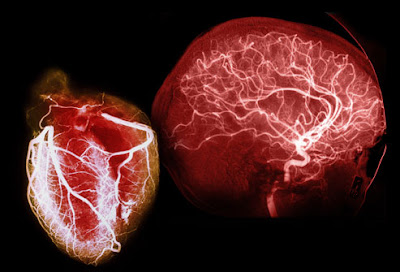
High cholesterol is one of the major risk factors for coronary artery disease, heart attacks, and strokes. It also appears to boost the risk of Alzheimer's disease. As we saw earlier, high cholesterol leads to a buildup of plaque that narrows the arteries. This is dangerous because it can restrict blood flow. If the blood supply to a part of the heart or brain is completely cut off, the result is a heart attack or stroke.

Diet changes offer a powerful way to fight high cholesterol. If you've ever wondered why some cereals claim to be heart-healthy, it's the fiber. The soluble fiber found in many foods helps reduce LDL, the bad cholesterol. Good sources of soluble fiber include whole-grain breads and cereals, oatmeal, fruits, dried fruits, vegetables, and legumes such as kidney beans.

No more than 35% of your daily calories should come from fat. But not all fats are equal. Saturated fats -- from animal products and tropical oils -- raise LDL cholesterol. Trans fats carry a double-whammy, boosting bad cholesterol, while lowering the good kind. These two bad fats are found in many baked goods, fried foods (doughnuts, fries, chips), stick margarine, and cookies. Unsaturated fats may lower LDL when combined with other healthy diet changes. They're found in avocados, olive oil, and peanut oil.
Meat and full-fat milk offer plenty of protein, but they are also major sources of cholesterol. You may be able to reduce LDL cholesterol by switching to soy protein, such as tofu, at some meals. Fish is another great choice. It's rich in omega-3 fatty acids, which can improve cholesterol levels. The American Heart Association recommends eating fish at least twice a week.

There's growing evidence that low-carb diets may be better than low-fat diets for improving cholesterol levels. In a two-year study funded by the National Institutes of Health, people who followed a low-carb plan had significantly better HDL (good cholesterol) levels than those who followed a low-fat plan.

If you're overweight, talk to your doctor about beginning a weight loss program. Losing weight can help you reduce your levels of triglycerides, LDL, and total cholesterol. Shedding even a few pounds can also boost your good cholesterol level -- it tends to go up one point for every 6 pounds you lose.

Giving up tobacco is tough, but here's one more reason to try. When you stop smoking, your good cholesterol is likely to improve by as much as 10%. You may be more successful if you combine several smoking cessation strategies. Talk to your doctor about which options are best for you.

If you're healthy but not very active, starting an aerobic exercise program could increase your good cholesterol by 5% in the first two months. Regular exercise also lowers bad cholesterol. Choose an activity that boosts your heart rate, such as running, swimming, or walking briskly, and aim for at least 30 minutes on most days of the week. It doesn't have to be 30 continuous minutes; two 15-minute walks works just as well.

If high cholesterol runs in your family, diet and exercise may not be enough to get your numbers where you want them. In that case, medication can give your cholesterol levels an extra nudge. Statins are usually the first choice. They block the production of cholesterol in the liver. Other options include cholesterol absorption inhibitors, bile acid resins, and fibrates. Your doctor may recommend a combination of these medications.

Certain dietary supplements may also improve cholesterol levels. These include flaxseed oil, fish oil, and plant sterols, such as beta-sitosterol. Prescription niacin, a B-complex vitamin, has been found to raise good cholesterol while reducing bad cholesterol. Niacin found in ordinary supplements should not be used to lower cholesterol.

Some studies suggest garlic can knock a few percentage points off total cholesterol. But garlic pills can have side effects and may interact with medications. Other herbs that may reduce cholesterol include:

Many people are able to lower cholesterol levels through a combination of medication and lifestyle changes. But how low is low enough? For people with diabetes or a high risk of developing heart disease, an LDL score of less than 100 is desirable. If you already have heart disease or coronary artery disease, some doctors recommend reducing LDL to 70 or lower.

It takes years for high cholesterol to clog the arteries with plaque. But there is evidence that atherosclerosis can be reversed, at least to some degree. Dean Ornish, MD, has published several studies showing that a low-fat vegetarian diet, stress management, and moderate exercise can chip away at the build-up inside the coronary arteries. Other research supports the idea that big drops in cholesterol can somewhat help open clogged arteries.
THIS TOOL DOES NOT PROVIDE MEDICAL ADVICE. It is intended for general informational purposes only and does not address individual circumstances. It is not a substitute for professional medical advice, diagnosis or treatment and should not be relied on to make decisions about your health. Never ignore professional medical advice in seeking treatment because of something you have read on this BLOG. If you think you may have a medical emergency, immediately call your doctor.


We may associate cholesterol with fatty foods, but most of the waxy substance is made by our own bodies. The liver produces 75% of the cholesterol that circulates in our blood. The other 25% comes from food. At normal levels, cholesterol actually plays an important role in helping cells do their jobs. But cholesterol levels are precariously high in more than 100 million Americans.
Symptoms of High Cholesterol
High cholesterol does not cause any symptoms. But it does cause damage deep within the body. Over time, too much cholesterol may lead to a buildup of plaque inside the arteries. Known as atherosclerosis, this condition narrows the space available for blood flow and can trigger heart disease. The good news is high cholesterol is simple to detect, and there are many ways to bring it down.
Cholesterol Testing
People older than 20 should have their cholesterol levels checked at least once every five years. This is done with a simple blood test known as a fasting lipoprotein profile. It measures the different forms of cholesterol that are circulating in your blood after you avoid eating for nine to 12 hours. The results show your levels of "bad" cholesterol, "good" cholesterol, and triglycerides.
'Bad' Cholesterol

Most of the cholesterol in the blood is carried by proteins called low density lipoproteins or LDL. This is known as the bad cholesterol because it combines with other substances to clog the arteries. A diet high in saturated fats and trans fats tends to raise the level of LDL cholesterol. For most people, an LDL score below 100 is healthy, but people with heart disease may need to aim even lower.
'Good' Cholesterol

Up to a third of blood cholesterol is carried by high-density lipoproteins or HDL. This is called good cholesterol because it helps remove bad cholesterol, preventing it from building up inside the arteries. The higher the level of HDL cholesterol, the better. People with too little are more likely to develop heart disease. Eating healthy fats, such as olive oil, may help boost HDL cholesterol.
Triglycerides

Total Cholesterol

Total cholesterol measures the combination of LDL, HDL, and VLDL (very low density lipoprotein) in your bloodstream. VLDL is a precursor of LDL, the bad cholesterol. A total cholesterol score of under 200 is considered healthy in most cases. People who score in the "high" range have an increased risk of developing heart disease compared to those who score below 200.
Cholesterol Ratio

To calculate your cholesterol ratio, divide your total cholesterol by your HDL cholesterol. For example, a total score of 200 divided by an HDL score of 50 equals a cholesterol ratio of 4 to 1. Doctors recommend maintaining a ratio of 4 to 1 or lower. The smaller the ratio, the better. While this figure is useful in estimating heart disease risk, it's not as important in guiding treatment. Doctors look at total cholesterol, HDL cholesterol, and LDL cholesterol to determine treatment.
Cholesterol in Food

Cholesterol and Family History

Cholesterol comes from two sources -- the body and food -- and either one can contribute to high cholesterol. Some people inherit genes that trigger too much cholesterol production. For others, diet is the main culprit. Saturated fat and cholesterol occur in animal-based foods, including meat, eggs, and dairy products made with milk. In many cases, high cholesterol stems from a combination of diet and genetics.
What Boosts Your Risk?

Several factors can make you more likely to develop high cholesterol:
A diet high in saturated fats and cholesterol
A family history of high cholesterol
Being overweight or obese
Getting older
Cholesterol and Gender

Until menopause, women typically have lower total cholesterol levels than men of the same age. They also have higher levels of HDL cholesterol, the good kind. One reason is estrogen: The female sex hormone raises the level of HDL cholesterol. Estrogen production peaks during the childbearing years and drops off during menopause. After age 55, a woman's risk of developing high cholesterol begins to climb.
Cholesterol and Children

There's evidence that cholesterol can begin clogging the arteries during childhood, leading to atherosclerosis and heart disease later in life. The American Heart Association recommends kids and teenagers with high cholesterol take steps to bring it down. Ideally, total cholesterol should be below 170 in people ages 2 to 19.
Why High Cholesterol Matters

High cholesterol is one of the major risk factors for coronary artery disease, heart attacks, and strokes. It also appears to boost the risk of Alzheimer's disease. As we saw earlier, high cholesterol leads to a buildup of plaque that narrows the arteries. This is dangerous because it can restrict blood flow. If the blood supply to a part of the heart or brain is completely cut off, the result is a heart attack or stroke.
Cholesterol Buster: Eat More Fiber

Diet changes offer a powerful way to fight high cholesterol. If you've ever wondered why some cereals claim to be heart-healthy, it's the fiber. The soluble fiber found in many foods helps reduce LDL, the bad cholesterol. Good sources of soluble fiber include whole-grain breads and cereals, oatmeal, fruits, dried fruits, vegetables, and legumes such as kidney beans.
Cholesterol Buster: Know Your Fats

No more than 35% of your daily calories should come from fat. But not all fats are equal. Saturated fats -- from animal products and tropical oils -- raise LDL cholesterol. Trans fats carry a double-whammy, boosting bad cholesterol, while lowering the good kind. These two bad fats are found in many baked goods, fried foods (doughnuts, fries, chips), stick margarine, and cookies. Unsaturated fats may lower LDL when combined with other healthy diet changes. They're found in avocados, olive oil, and peanut oil.
Cholesterol Buster: Smart Protein
Meat and full-fat milk offer plenty of protein, but they are also major sources of cholesterol. You may be able to reduce LDL cholesterol by switching to soy protein, such as tofu, at some meals. Fish is another great choice. It's rich in omega-3 fatty acids, which can improve cholesterol levels. The American Heart Association recommends eating fish at least twice a week.
Cholesterol Buster: Low-Carb Diet

There's growing evidence that low-carb diets may be better than low-fat diets for improving cholesterol levels. In a two-year study funded by the National Institutes of Health, people who followed a low-carb plan had significantly better HDL (good cholesterol) levels than those who followed a low-fat plan.
Cholesterol Buster: Lose Weight

If you're overweight, talk to your doctor about beginning a weight loss program. Losing weight can help you reduce your levels of triglycerides, LDL, and total cholesterol. Shedding even a few pounds can also boost your good cholesterol level -- it tends to go up one point for every 6 pounds you lose.
Cholesterol Buster: Quit Smoking

Giving up tobacco is tough, but here's one more reason to try. When you stop smoking, your good cholesterol is likely to improve by as much as 10%. You may be more successful if you combine several smoking cessation strategies. Talk to your doctor about which options are best for you.
Cholesterol Buster: Exercise

If you're healthy but not very active, starting an aerobic exercise program could increase your good cholesterol by 5% in the first two months. Regular exercise also lowers bad cholesterol. Choose an activity that boosts your heart rate, such as running, swimming, or walking briskly, and aim for at least 30 minutes on most days of the week. It doesn't have to be 30 continuous minutes; two 15-minute walks works just as well.
Treatment: Medications

If high cholesterol runs in your family, diet and exercise may not be enough to get your numbers where you want them. In that case, medication can give your cholesterol levels an extra nudge. Statins are usually the first choice. They block the production of cholesterol in the liver. Other options include cholesterol absorption inhibitors, bile acid resins, and fibrates. Your doctor may recommend a combination of these medications.
Treatment: Supplements

Certain dietary supplements may also improve cholesterol levels. These include flaxseed oil, fish oil, and plant sterols, such as beta-sitosterol. Prescription niacin, a B-complex vitamin, has been found to raise good cholesterol while reducing bad cholesterol. Niacin found in ordinary supplements should not be used to lower cholesterol.
Herbal Remedies

Some studies suggest garlic can knock a few percentage points off total cholesterol. But garlic pills can have side effects and may interact with medications. Other herbs that may reduce cholesterol include:
- Aloe Vera
- Fenugreek seeds
- Artichoke leaf extract
- Yarrow
- Holy basil
How Low Should You Go?

Many people are able to lower cholesterol levels through a combination of medication and lifestyle changes. But how low is low enough? For people with diabetes or a high risk of developing heart disease, an LDL score of less than 100 is desirable. If you already have heart disease or coronary artery disease, some doctors recommend reducing LDL to 70 or lower.
Can the Damage Be Undone?

It takes years for high cholesterol to clog the arteries with plaque. But there is evidence that atherosclerosis can be reversed, at least to some degree. Dean Ornish, MD, has published several studies showing that a low-fat vegetarian diet, stress management, and moderate exercise can chip away at the build-up inside the coronary arteries. Other research supports the idea that big drops in cholesterol can somewhat help open clogged arteries.
THIS TOOL DOES NOT PROVIDE MEDICAL ADVICE. It is intended for general informational purposes only and does not address individual circumstances. It is not a substitute for professional medical advice, diagnosis or treatment and should not be relied on to make decisions about your health. Never ignore professional medical advice in seeking treatment because of something you have read on this BLOG. If you think you may have a medical emergency, immediately call your doctor.
FOREVER LIVING SUPPLEMENTS FOR CHOLESTEROL